About ProtoScan3D
At ProtoScan3D, we transform physical objects into precise digital models, bridging the gap between imagination and production. From prototypes to finished components, every project combines technical expertise with practical manufacturing knowledge to deliver accurate, reliable results.
Founded with a passion for innovation and craftsmanship, ProtoScan3D specializes in 3D scanning, reverse engineering, CAD design, 3D printing, CNC machining, casting, and select woodworking services. Each project is approached with meticulous attention to detail, ensuring designs are faithfully captured, refined, and prepared for real-world production or visualization.
The commitment is simple: provide high-precision, efficient, and tailored solutions that empower designers, engineers, restorers, and creators to bring their ideas into physical or digital reality with confidence.
Experience & Background
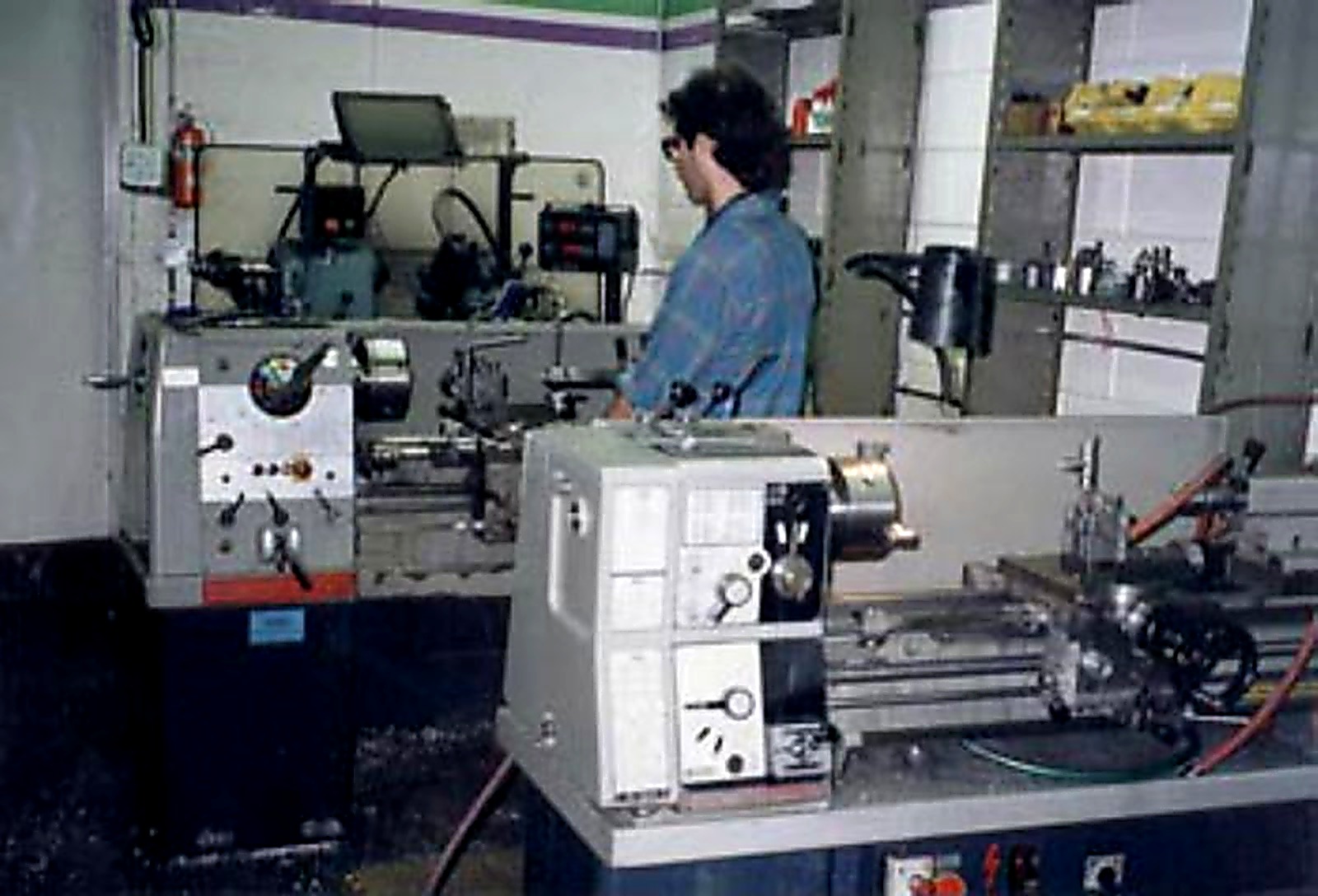
The foundation behind ProtoScan3D began long before modern scanners and desktop printers were common tools. In 1986, my career in manufacturing started as a Machinist operating Colchester lathes, where precision was learned through hands-on experience, measurement discipline, and an understanding of how materials behave under a cutting tool. The shop floor provided the fundamentals that still guide every project today.
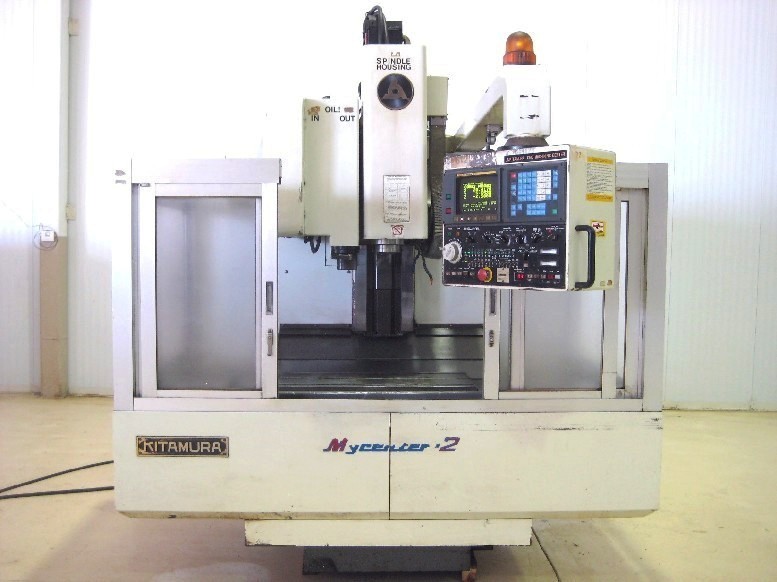
During those early years in Toronto, CNC machining was introduced through operation of a Kitamura MyCenter-2 Vertical Machining Center. This exposure marked the transition from purely manual machining into computer-controlled production — where code, coordinates, and tooling strategy began to shape the final result as much as physical skill.
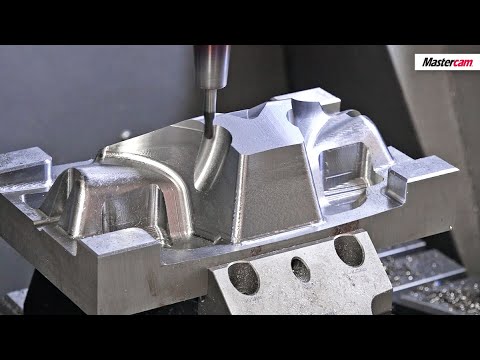
In 1992, the move back to Windsor led to a position at Windsor Mold as a Mastercam programmer. Over the next seven years, the role evolved into mold surfacing using Camax software, working with complex geometries and precision tooling. The focus expanded from producing individual parts to defining surfaces, contours, and full mold forms — understanding not only how components are manufactured, but how they are engineered.
Machining never remained only a job. For many years, equipment in a home garage workshop kept the hands-on craft active, refining techniques and maintaining a direct connection to traditional methods even as digital tools advanced.
Around 2010, work at Cavalier Tool introduced Siemens NX into daily workflow, bringing full mold design responsibilities from cradle to completion. One particularly challenging project involved rebuilding an entire mold from raw scan data when no usable digital design existed. Solving that problem revealed the true power of reverse engineering — translating physical objects into accurate digital models and restoring designs that would otherwise be lost.
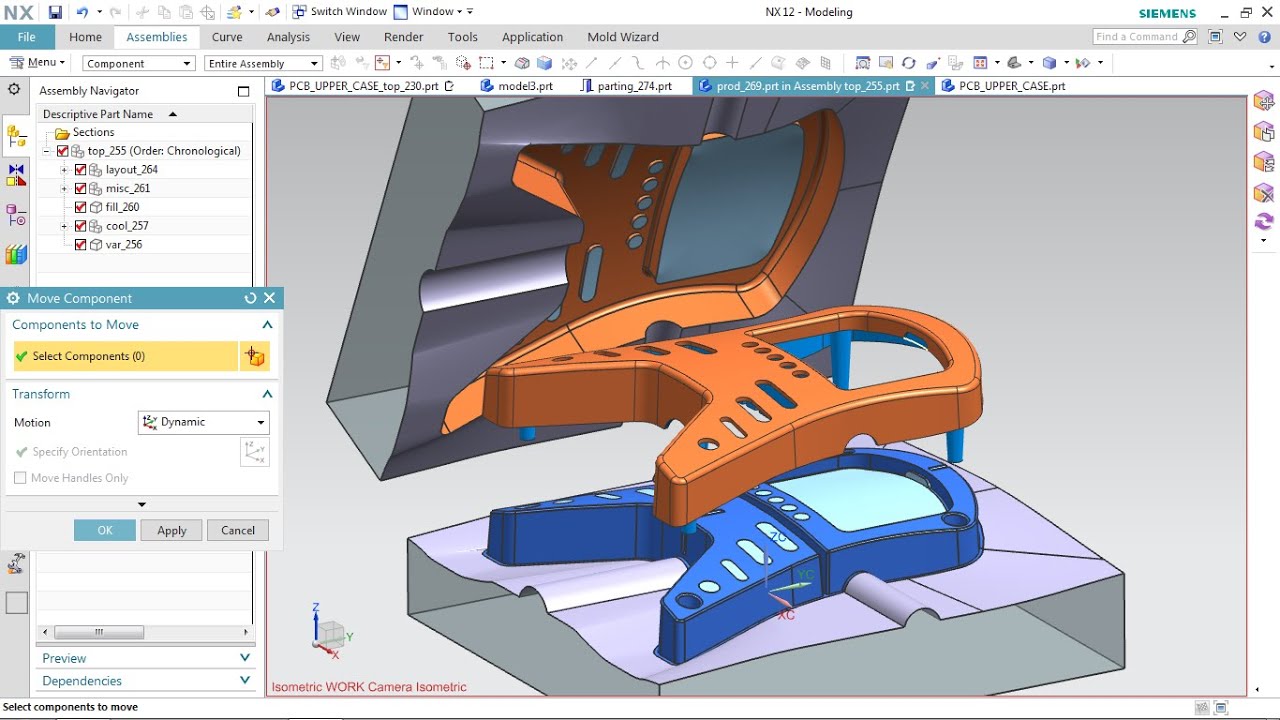
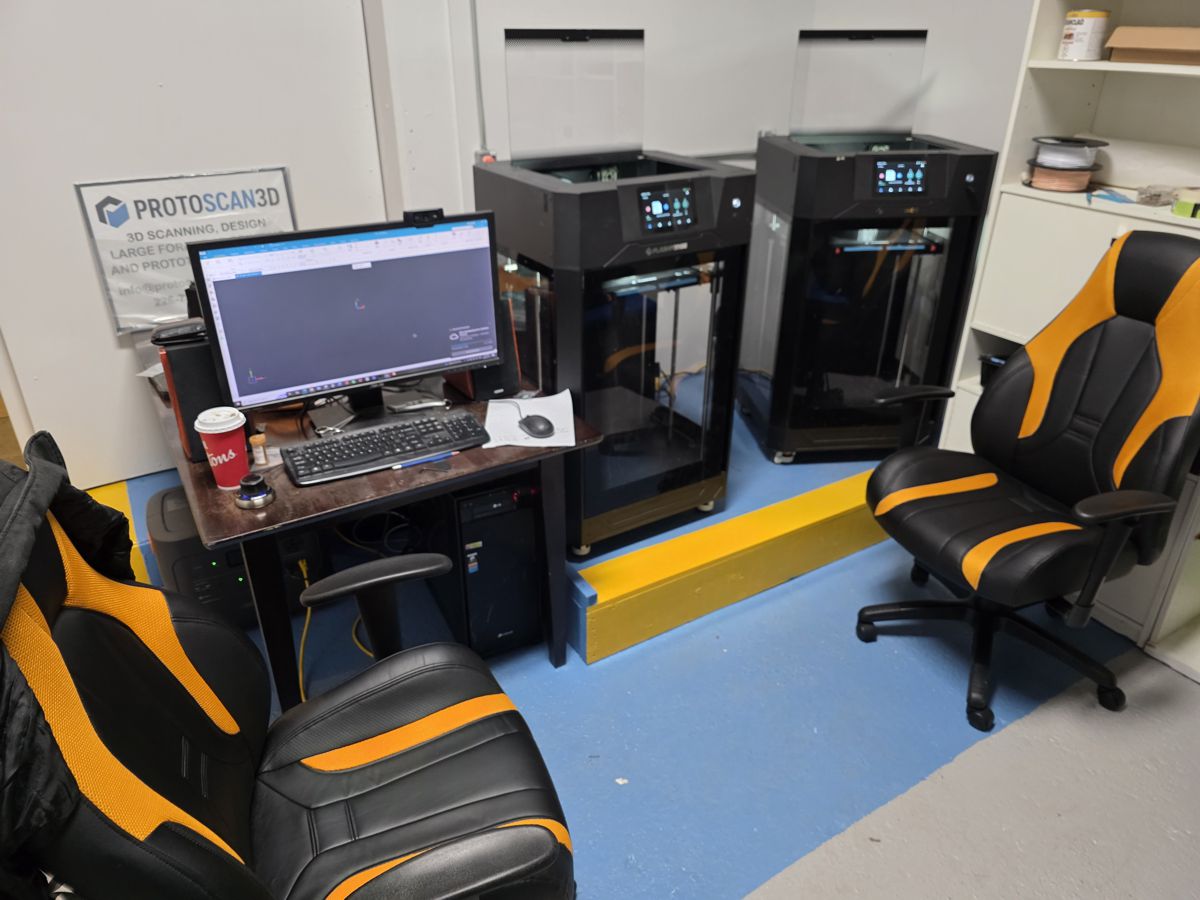
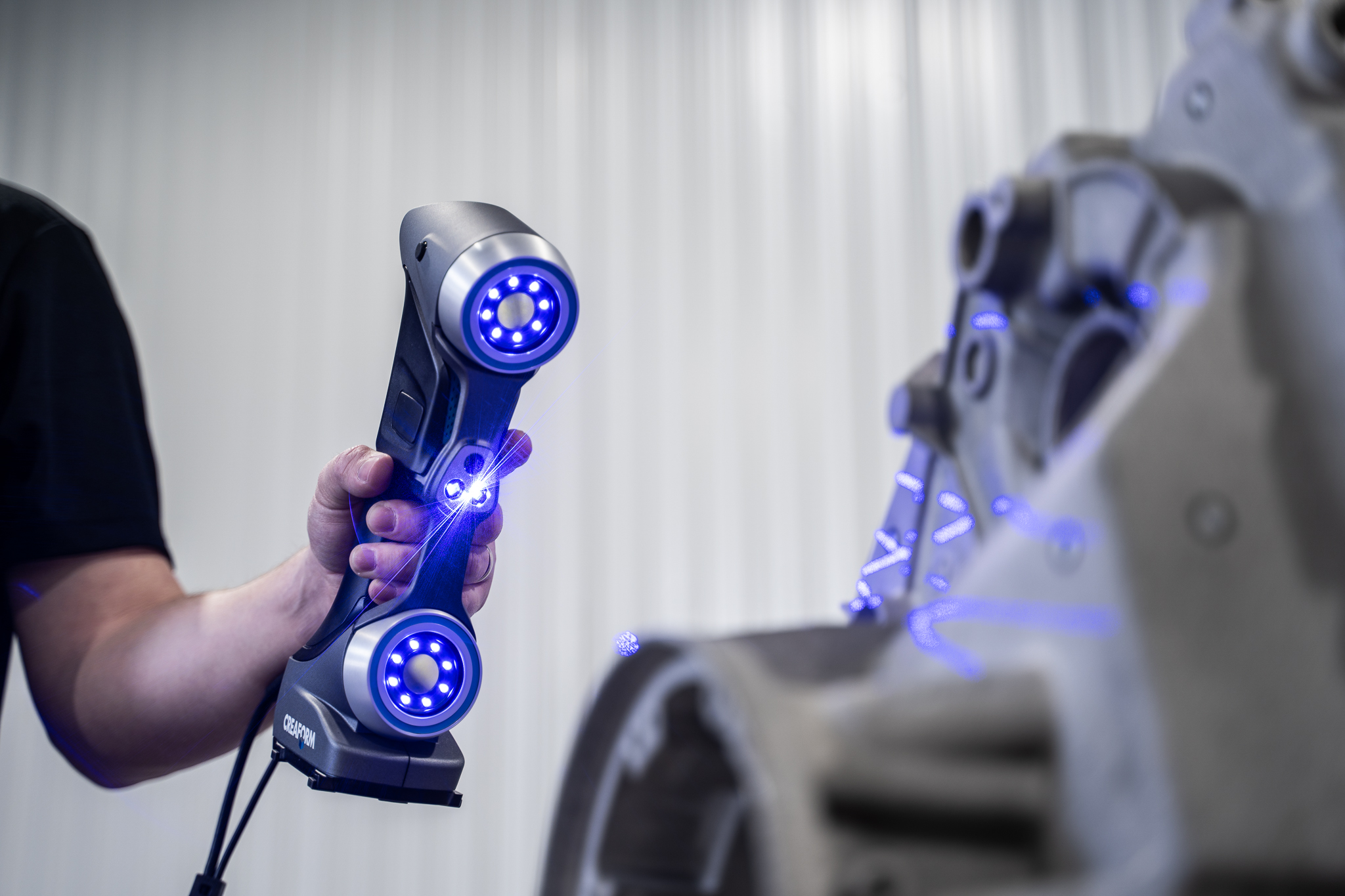
Today, ProtoScan3D represents the combination of decades of traditional machining knowledge with modern digital technologies. Advanced 3D scanners capture real-world geometry with high accuracy. Siemens NX serves as the primary design and engineering platform. Professional-grade 3D printers produce functional prototypes and components.
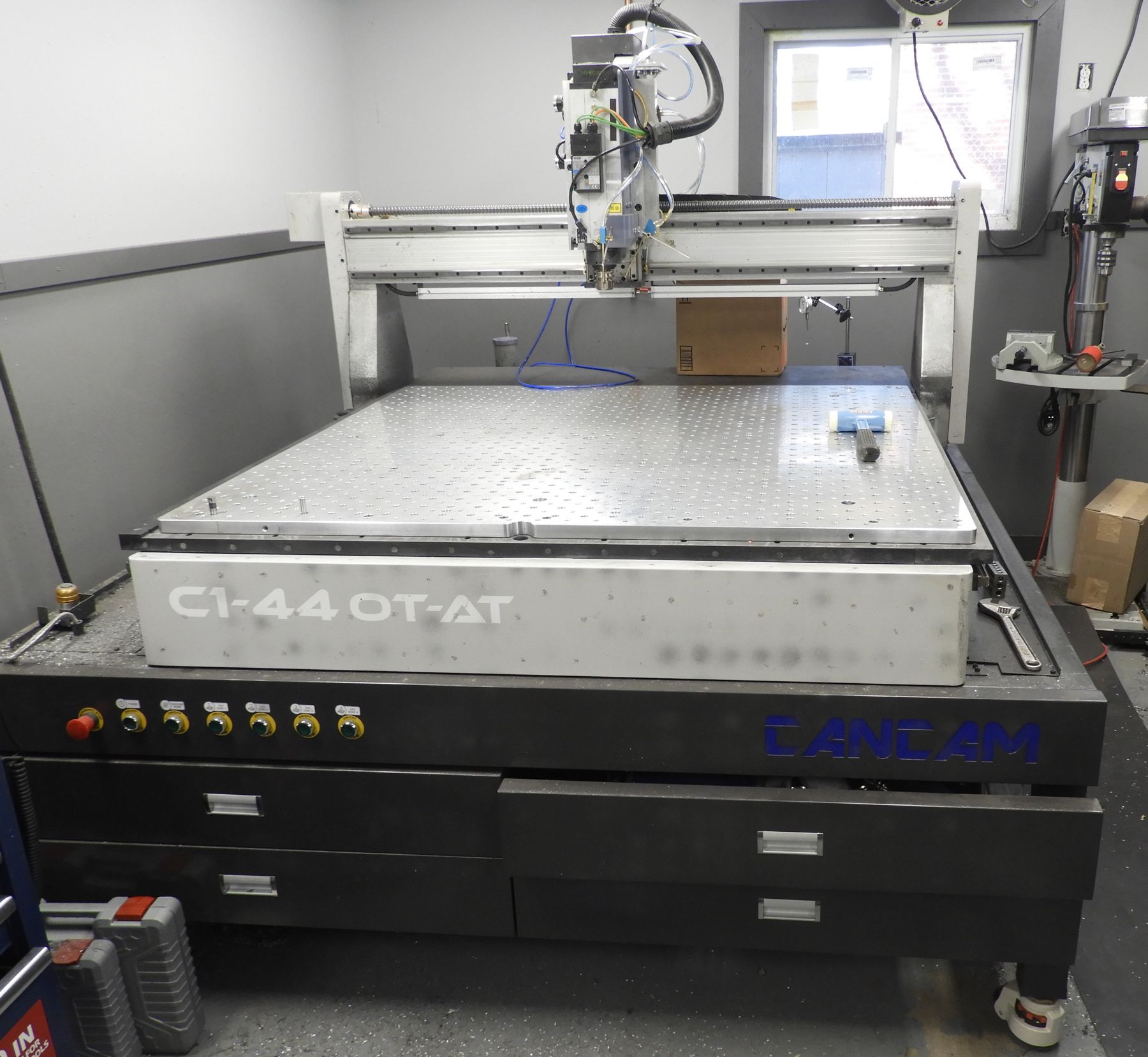
CNC routers programmed through Mastercam bridge the gap between virtual design and physical production. Manual machining remains an important part of the workflow, ensuring modern tools are guided by real-world manufacturing experience. This progression from manual lathes in the 1980s to today’s scanning, CAD, and additive manufacturing technology is not a replacement of skills — it is an expansion of them. The goal remains unchanged: accuracy, problem-solving, and creating solutions that function reliably in the real world.